
Planting the wrong grass is one of the most expensive lawn mistakes a homeowner can make. Bermudagrass in Minnesota will die in its first winter. Kentucky Bluegrass in Georgia burns out by July. The grass type you choose has to match where you live — not just what looks good on the seed bag.
This guide covers every major climate zone in the US, names the specific varieties that perform best in each, and gives you the numbers to make the right call before you spend a dollar on seed.
Cool-Season vs. Warm-Season Grasses: What the Difference Actually Means
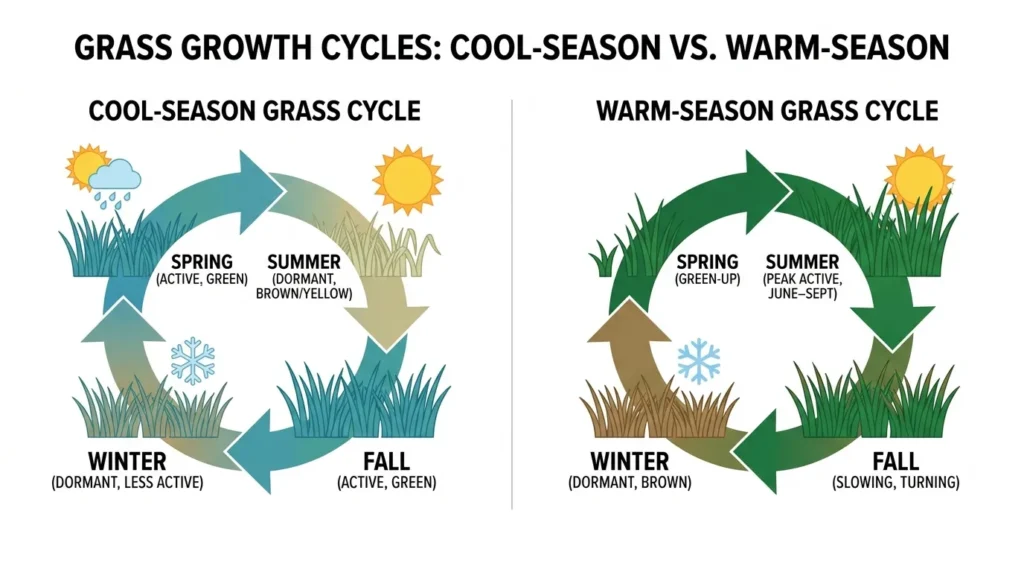
Every turfgrass falls into one of two groups based on temperature tolerance.
Cool-season grasses grow best when air temperatures sit between 60°F and 75°F. They peak in spring and fall, slow down in summer heat, and go dormant through winter. They dominate the northern third of the US.
Warm-season grasses hit their stride between 80°F and 95°F. They green up in late spring, grow hard through summer, then go tan and dormant when temperatures drop below 65°F. They own the southern half of the country.
Knowing which group fits your climate is the first decision. Everything else follows from that.
Cool-Season Climates: Northeast, Midwest, Pacific Northwest
These regions have cold winters and moderate summers. Cool-season grasses dominate here — and when matched properly, they produce some of the lushest lawns in the country.
Kentucky Bluegrass
The benchmark for cool northern lawns. It spreads through underground rhizomes, naturally filling in bare spots without reseeding. Optimal growth happens between 60°F and 75°F. It goes dormant under summer heat and drought but bounces back fast once temperatures drop in fall.
- Mowing height: 2.5–3.5 inches
- Soil pH: 6.0–7.0
- Germination: 14–30 days
- Best for: Full-sun lawns in USDA zones 3–6
- Weakness: Low shade tolerance; susceptible to disease without consistent care
Tall Fescue
The most versatile cool-season grass available. It handles heat, drought, shade, and foot traffic better than any other cool-season variety. Its root system can reach 2–3 feet deep — that’s what keeps it alive through summer stress that destroys bluegrass.
- Mowing height: 3–4 inches
- Soil pH: 5.5–7.5
- Germination: 7–12 days
- Best for: Transition areas, shaded lawns, zones 4–7
It germinated fast in testing and establishes well in both new lawns and overseed situations — the Scotts Turf Builder Rapid Grass Tall Fescue Mix is one of the most widely used options for this variety.
Perennial Ryegrass
Fast to establish and wear-resistant. It’s commonly used in seed mixes alongside Kentucky Bluegrass to provide quick coverage while slower grasses take hold. It also works well when overseeding dormant warm-season lawns in fall to maintain green color through winter.
- Mowing height: 2–3 inches
- Soil pH: 6.0–7.0
- Germination: 5–10 days
- Best for: Pacific Northwest, quick repairs, fall overseeding of Bermuda
Fine Fescue
The top pick for shaded, low-traffic cool-season lawns. This family includes creeping red fescue, chewings fescue, hard fescue, and sheep fescue. All share narrow blades and a gray-green color. Fine fescues use less water and need less fertilizer than any other cool-season option.
- Mowing height: 3–4 inches
- Soil pH: 5.5–6.5
- Germination: 7–14 days
- Best for: Shady lawns in zones 3–7, low-input properties
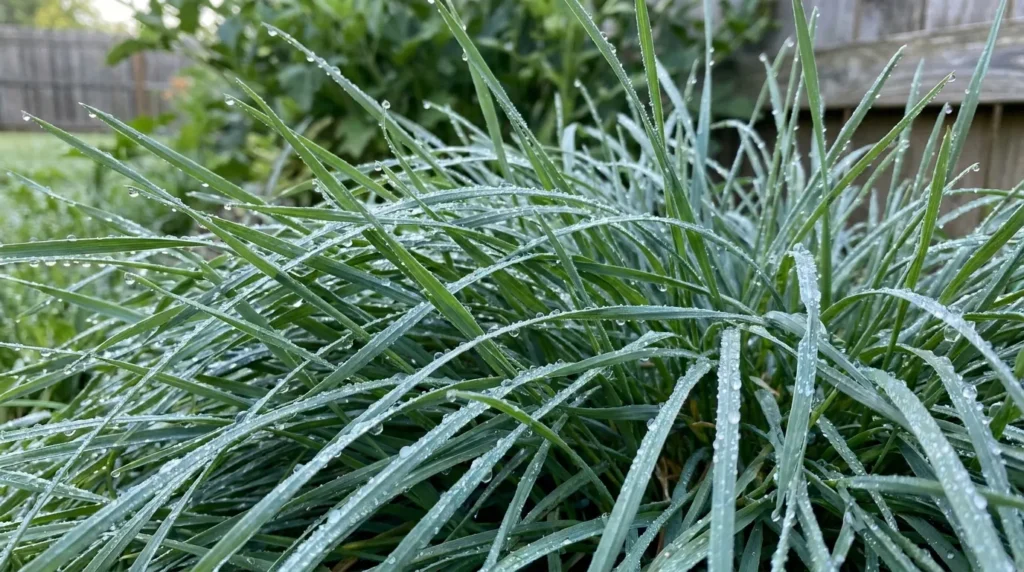
Warm-Season Climates: Southeast, Gulf Coast, Southwest
Long hot summers, mild winters, and either high humidity or intense sun define these regions. Warm-season grasses handle conditions that would destroy cool-season varieties within a single summer.
Bermudagrass
The most widely planted warm-season grass in the US. It handles heat, drought, and heavy use better than almost anything else. It spreads aggressively through stolons and rhizomes, recovering fast from damage. Below 65°F, it goes fully dormant and turns brown.
- Mowing height: 1–2 inches
- Soil pH: 6.0–7.0
- Germination: 7–14 days
- Best for: Full-sun lawns in zones 7–10, sports fields, high-traffic yards
- Weakness: Poor shade tolerance; spreads into garden beds aggressively
For most warm-season lawns, the Pennington Smart Seed Bermudagrass Mix covers up to 5,000 sq ft for overseeding and establishes noticeably faster than uncoated seed alone.
Getting Bermuda through summer heat without overwatering is a balance most homeowners get wrong. A proper lawn watering schedule — deep and infrequent rather than daily and shallow — works much better with this grass.
Zoysia
Slower to establish than Bermuda but more cold-tolerant and shade-tolerant. Once Zoysia fills in fully (typically 2–3 years from seed), it forms a dense mat that crowds out most weeds naturally. It greens up earlier in spring and stays green later into fall than Bermuda.
- Mowing height: 1–2 inches
- Soil pH: 6.0–7.0
- Establishment: 2–3 years from seed
- Best for: Zones 6–9, moderate-traffic lawns, transitional areas
St. Augustine Grass
The first choice for humid coastal regions — Florida, coastal Texas, the Gulf Coast. It tolerates shade better than Bermuda or Zoysia, making it practical for yards with trees. Wide, flat blades give it a coarser look but excellent coverage. Cold is its weak point — crown damage starts below 25°F.
- Mowing height: 3.5–4 inches
- Soil pH: 6.0–7.5
- Establishment: Best established via plugs or sod (limited seed availability)
- Best for: Zones 8–10, humid coastal areas, shaded southern lawns
Centipede Grass
Built for low-maintenance lawns in the Southeast. It stays naturally low, needs minimal fertilization, and tolerates acidic, infertile soils better than any other warm-season grass. One critical note — over-fertilizing Centipede actively damages it. Less inputs, better results.
- Mowing height: 1.5–2 inches
- Soil pH: 5.0–6.0
- Best for: Zones 7–9, hands-off lawn care in the Southeast
Bahia Grass
The workhorse for sandy, infertile soils in Florida and the deep South. Its roots can reach 8 feet deep, making it extremely drought-resistant once established. Bahia isn’t a showpiece — coarse texture and seed heads grow fast — but it survives conditions that eliminate everything else.
- Mowing height: 3–4 inches
- Soil pH: 5.5–6.5
- Best for: Zones 8–11, sandy soil, low-budget high-neglect lawns
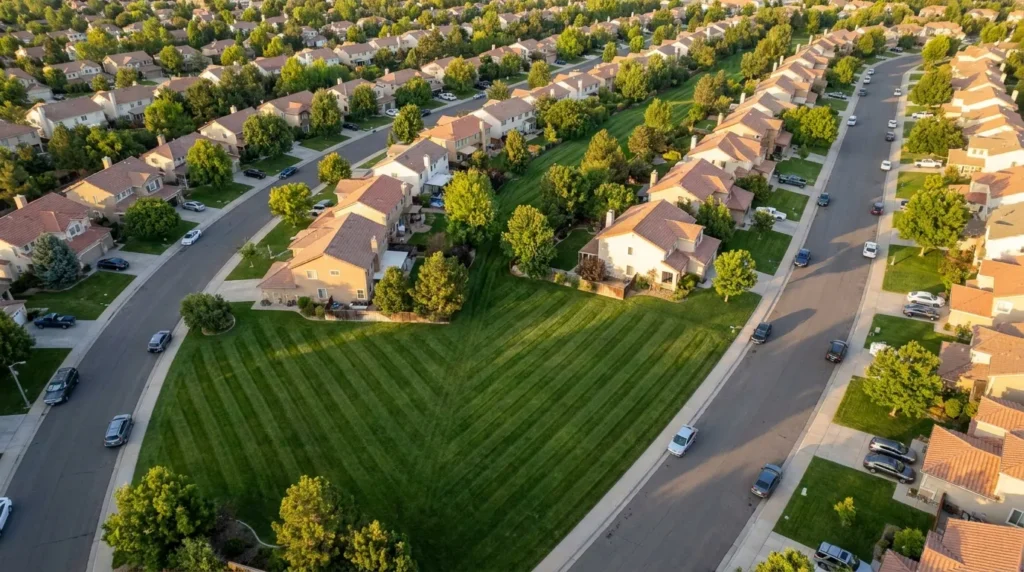
The Transition Zone: The Hardest Climate to Grow Grass In
The transition zone runs across the middle of the US — roughly from Northern California through Kansas, Missouri, Virginia, and the Carolinas. Summers get too hot for most cool-season grasses. Winters get too cold for most warm-season types.
No grass species thrives perfectly here. Every choice involves a real trade-off.
Tall Fescue is the most reliable option for most transition zone homeowners. Its heat and drought tolerance are better than other cool-season grasses, and it doesn’t die back completely in winter the way warm-season grasses do. This is why lawn professionals consistently recommend it for the region.
Zoysia works well across the warmer half of the transition zone. It handles summer heat but also survives cold better than Bermuda. The downside — expect 4–5 months of dormancy and brown color in colder transition areas.
Bermudagrass suits the southern edge of the transition zone where summers are long and intense. It’ll go dormant in winter but recovers each spring. Many homeowners in this area overseed with perennial ryegrass each fall to keep color through the cool months — if you go that route, timing matters. Get the details from our step-by-step overseeding guide before starting.
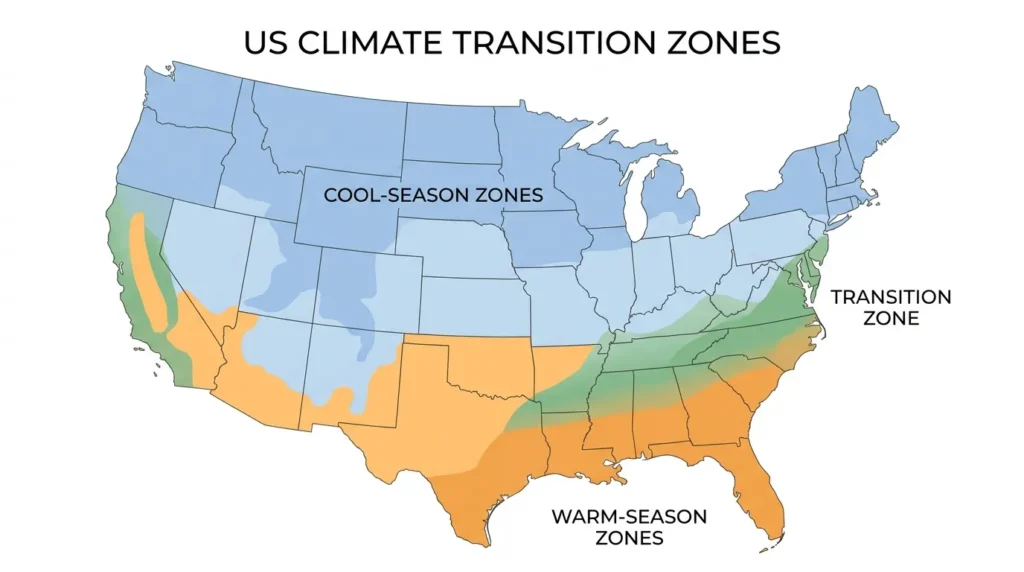
Arid and Semi-Arid Climates: Desert Southwest and High Plains
Low rainfall and extreme temperature swings define this region. Standard warm-season grasses survive here only with heavy irrigation. Native grasses are a far smarter starting point.
Buffalograss
Native to the Great Plains. One of the most drought-tolerant lawn grasses in North America. It needs minimal irrigation, grows slowly, and stays short — many lawns need mowing only a handful of times per season. Soil temperature must reach 60°F before seed will germinate.
- Mowing height: 3–4 inches (or leave it unmowed for a natural look)
- Soil pH: 6.5–7.5
- Best for: Unirrigated high plains lawns, USDA zones 4–8
Blue Grama Grass
Another Great Plains native. Often mixed with Buffalograss for a fully native, low-water lawn. It has a distinctive comb-like seed head and fine texture. Very low maintenance once established, and well-suited to cold, dry conditions at elevation.
- Best for: High elevation and dry western regions, zones 3–9
Bermudagrass (Irrigated)
In desert regions — Arizona, New Mexico, Southern California — Bermudagrass appears on irrigated properties throughout the year. With reliable water, it performs well even in intense summer heat. Without irrigation, it won’t survive the dry season.
For arid-climate lawns, combining the right grass with a smart irrigation system cuts water use significantly while keeping the lawn healthy. You can also use the watering schedule generator to build a plan matched to your specific climate and grass type.
How to Choose the Right Grass Beyond Climate
Climate narrows the field to a few candidates. These four factors pick the winner.
Sun vs. Shade Most grasses need 6+ hours of direct sun per day. Fine Fescue and St. Augustine handle shade better than any other options. Bermuda and Bahia need full sun — place them in shade and they’ll thin out within one season.
Soil Type and pH Test your soil before buying seed. Most grasses grow best in pH 6.0–7.0. Centipede tolerates acidic soil down to 5.0. Fine Fescue handles poor, sandy soil well. Clay soil needs aeration before seeding — compacted ground prevents root penetration and establishment fails regardless of variety. Our lawn aeration guide covers how to handle compacted soil before seeding season.
Once you’ve seeded, the fertilizing approach should match the grass type. Use our lawn fertilizer calculator to determine the right amounts based on your yard size and chosen variety.
Foot Traffic Bermudagrass and Tall Fescue take the most punishment. Centipede and Fine Fescue handle light-to-moderate use only. Kentucky Bluegrass sits in the middle — moderate play is fine, but heavy sports-level use will require periodic reseeding.
Drought Tolerance From highest to lowest: Buffalograss → Bermuda → Zoysia → Tall Fescue → Kentucky Bluegrass → Perennial Ryegrass → Fine Fescue. If your region sees dry summers, this ranking matters more than any other single factor. Our guide on building a drought-resistant lawn covers the complementary strategies that keep any grass type alive during dry spells.
Quick-Reference Chart: Best Grass by Climate
| Climate Zone | Top Grass Choice | Backup Option | Category |
|---|---|---|---|
| Northeast / Upper Midwest | Kentucky Bluegrass | Perennial Ryegrass | Cool-Season |
| Pacific Northwest | Perennial Ryegrass | Fine Fescue | Cool-Season |
| Transition Zone (East) | Tall Fescue | Zoysia | Mixed |
| Transition Zone (West) | Tall Fescue | Bermudagrass | Mixed |
| Southeast / Gulf Coast | Bermudagrass | St. Augustine | Warm-Season |
| Florida / Coastal South | St. Augustine | Zoysia | Warm-Season |
| Deep South (Sandy Soil) | Bahia Grass | Centipede | Warm-Season |
| Desert Southwest (Irrigated) | Bermudagrass | Buffalograss | Warm / Arid |
| High Plains / Great Plains | Buffalograss | Blue Grama | Arid / Cool |
| Shaded Lawns (Any Region) | Fine Fescue | Zoysia (warm zones) | Varies |
Planting Timing by Grass Type
Timing matters as much as the grass you choose.
Cool-season grasses should be planted in early fall — late August through October — or early spring. Fall is the better window. Soil is still warm from summer, which supports germination, and dropping air temperatures slow weed competition during establishment.
Warm-season grasses go down in late spring to early summer, May through July. Soil temperature needs to reach 65°F consistently before warm-season seed germinates reliably. Planting too early means the seed sits dormant or rots.
Transition zone: Plant Tall Fescue in early fall. Plant Zoysia and Bermuda in late spring. Don’t mix the two timing windows on the same lawn renovation.
5 Mistakes to Avoid When Choosing Grass for Your Climate
1. Planting warm-season grass before soil warms up. Soil below 65°F causes warm-season seed to rot or stay dormant. Waiting two extra weeks in spring saves weeks of delay in establishment.
2. Choosing grass based on appearance rather than climate. A bag photo that looks stunning at a garden center may be completely wrong for your zone. Always verify the variety against your USDA hardiness zone before buying.
3. Ignoring shade levels on your property. Even a climate-matched grass fails in the wrong light. A variety that needs 6+ hours of direct sun planted under tree cover will thin within a season.
4. Skipping a soil test. Planting into the wrong pH locks out nutrients no matter which grass you chose. A basic test costs $10–$20 and changes the entire outcome.
5. Overseeding at the wrong time of year. Overseeding warm-season lawns works in fall, September through October. Doing it in spring means the cool-season seed dies by June. Many homeowners reverse this. Catching this early — and avoiding the other most common lawn care mistakes beginners make — saves a full season of wasted effort.
Keeping It Healthy After You Choose
Once the right grass is in the ground, consistent care determines whether it thrives or just survives. Follow a seasonal lawn care calendar matched to your grass type — fertilizing, aerating, and watering at the wrong times is nearly as damaging as planting the wrong variety. When the lawn is established and actively growing, learn what the best fertilizers for fast lawn growth actually do for each grass type and how to use them without burning the turf.
The right grass, planted at the right time, in the right soil, will do most of the work itself. Get that foundation right, and everything else in lawn care gets easier.
Leave a Reply